The Central Regional Chairman of the Ghana Journalists Association (GJA), Kingsley Nana Buadu, has raised serious concerns about the deteriorating welfare conditions and increasing safety threats facing journalists in Ghana.
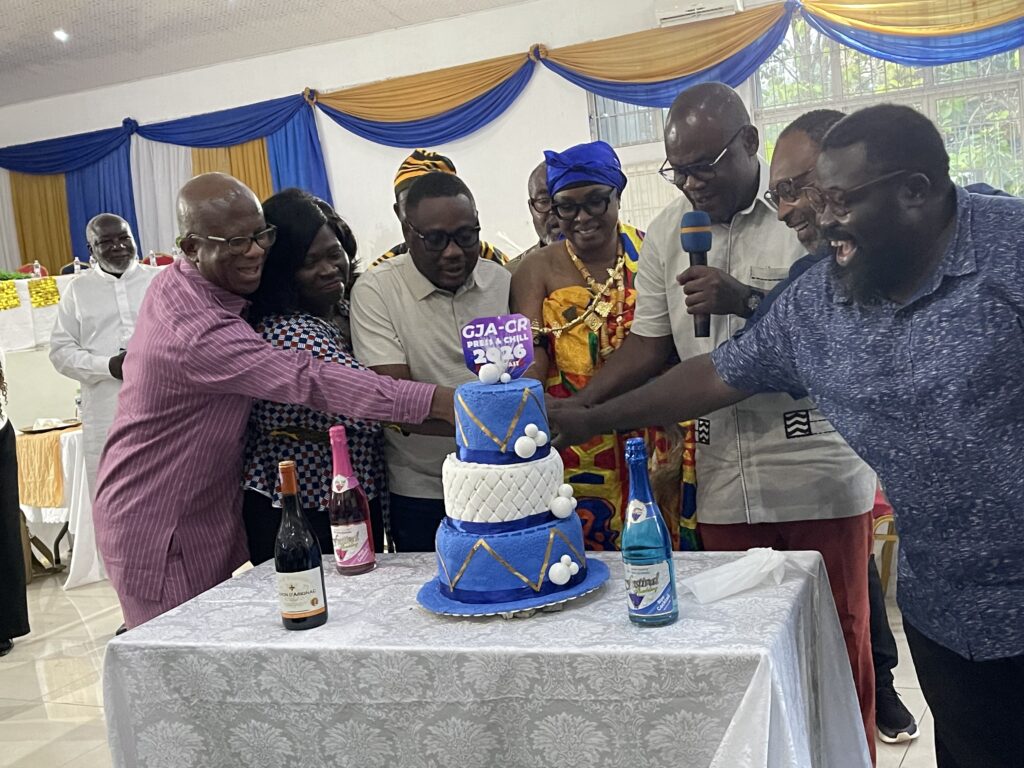
He made these remarks during the maiden “Press and Chill” engagement organized by the GJA’s Central Regional branch in Cape Coast on February 27, 2026. The event brought together journalists, media owners, policymakers, traditional leaders, academics, and development partners to deliberate on challenges confronting the media landscape in the region.
Addressing participants, Mr. Buadu described the current state of journalist welfare as troubling. He pointed to low remuneration, absence of insurance coverage, and inadequate safety protocols in many newsrooms as major concerns undermining the profession.
According to him, although Ghana enjoys constitutional protections for press freedom and a vibrant media environment, practitioners remain exposed to financial hardship, physical attacks, and subtle political pressures that sometimes lead to self-censorship.
He emphasized that such conditions weaken the independence and effectiveness of the media, stressing the need for urgent and collective action to protect journalists and strengthen institutional support systems.
The GJA Chairman further advised journalists to be security-conscious, particularly when covering high-risk assignments, and to make personal safety a top priority.
Mr. Buadu also warned against what he described as an emerging pattern in which political actors dictate media discourse. He insisted that journalists must reassert their watchdog role by setting independent agendas and holding public officials accountable through critical and probing questioning.
He called on media proprietors and policymakers to collaborate in improving working conditions, ensuring fair treatment, and safeguarding press freedom in the broader interest of national development.
As part of the engagement, Mercelinus Dery, a lecturer at the Department of Communication Studies at the University of Cape Coast, encouraged journalists to continuously upgrade their skills to stay competitive in an evolving media environment. He highlighted short courses available at the department and urged practitioners to take advantage of them.
Charles Smith of the Earth Journalism Network (EJN) also shared information on training and funding opportunities aimed at enhancing specialized reporting and strengthening journalistic capacity.

Nicholina Naa Yeye Adumuah, Central Regional Head of the National Insurance Commission, commended journalists for promoting insurance awareness through their platforms. She disclosed plans to roll out insurance packages specifically designed to meet the needs of media practitioners in the region.
The Central Regional Minister, Ekow Panyin Okyere Eduamoah, lauded journalists for their contributions to regional development. However, he cautioned them to guard against partisan influences that risk aligning them with political parties such as the National Democratic Congress (NDC) and the New Patriotic Party (NPP). He stressed that investigative reporting and constructive agenda-setting must remain central to the media’s mandate.
The “Press and Chill” initiative, the first of its kind in the region, concluded with the unveiling of a newly ultra-modern office for the GJA’s Central Regional branch a symbolic step toward renewed commitment to professionalism, solidarity, and responsible journalism.