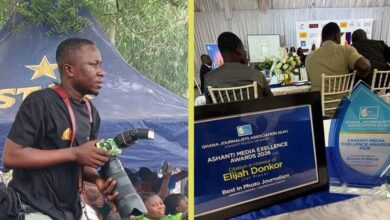
As I, Kofi Tutu, reflect on the state of our beloved Central Region, I am reminded of the rich cultural heritage that has shaped our communities for generations. Our region has been blessed with a vibrant tradition of leadership, guided by wise and experienced chiefs who have maintained peace and order for centuries. However, I am also mindful of the chieftaincy disputes that have plagued our region for far too long. These disputes have led to tensions, conflicts, and even violence, undermining peace and development in our region.
As a concerned citizen and a respected Journalist, I have had the privilege of engaging with traditional leaders, community members, and stakeholders to find a lasting solution to these disputes. Through these engagements, I have come to realize that resolving chieftaincy disputes requires a multifaceted approach that combines traditional and modern methods.
Firstly, we must embrace traditional mediation as a time-tested approach to resolving conflicts. Our traditional leaders and elders have the wisdom and knowledge to guide us towards peaceful resolution. By engaging in open dialogue and negotiation, disputing parties can find common ground and work towards a mutually beneficial solution. This approach has been effective in resolving chieftaincy disputes in the past and can continue to be a valuable tool in the future.
Secondly, we need a clear legal framework that defines the rights and responsibilities of chiefs and traditional leaders. This framework can provide clarity and certainty, reducing the likelihood of disputes and promoting peace in our region. By establishing a clear legal framework, we can ensure that the rights of all parties are protected and that disputes are resolved in a fair and transparent manner.
Thirdly, education and awareness are key to empowering our communities to manage conflicts effectively. We must promote peaceful conflict resolution and respect for traditional authority through awareness campaigns and community engagement. By educating our communities about the importance of peace and the value of traditional leadership, we can reduce tensions and promote a culture of peace.
Furthermore, community involvement is essential in resolving chieftaincy disputes. Public meetings and consultations can provide a platform for disputing parties to engage in dialogue and work towards a resolution. By involving the community in the resolution process, we can ensure that all parties have a stake in the outcome and are committed to maintaining peace.
Additionally, we must respect and preserve our cultural heritage by promoting traditional customs and practices. By doing so, we can maintain our identity and pass it down to future generations. Our cultural heritage is a valuable asset that defines who we are and where we come from. By preserving it, we can promote a sense of belonging and reduce tensions between disputing parties.
Collaboration with NGOs and civil society organizations can also provide additional support and resources for conflict resolution and peacebuilding. By working together, we can leverage resources and expertise to promote peace and development in our region.
Lastly, economic development is critical in reducing poverty and improving living standards, thereby reducing tensions and promoting peace. By promoting economic development, we can create jobs and improve access to education and healthcare, reducing the likelihood of disputes and promoting peace in our region.
In conclusion, resolving chieftaincy disputes in the Central Region requires a comprehensive approach that combines traditional and modern methods. As a region, we have the potential to promote peace, development, and a brighter future for all. Let us work together to build a more peaceful and prosperous future for ourselves and generations to come. We owe it to ourselves, our children, and our ancestors to resolve these disputes and promote peace in our region.
Source: kofitutunews.com